

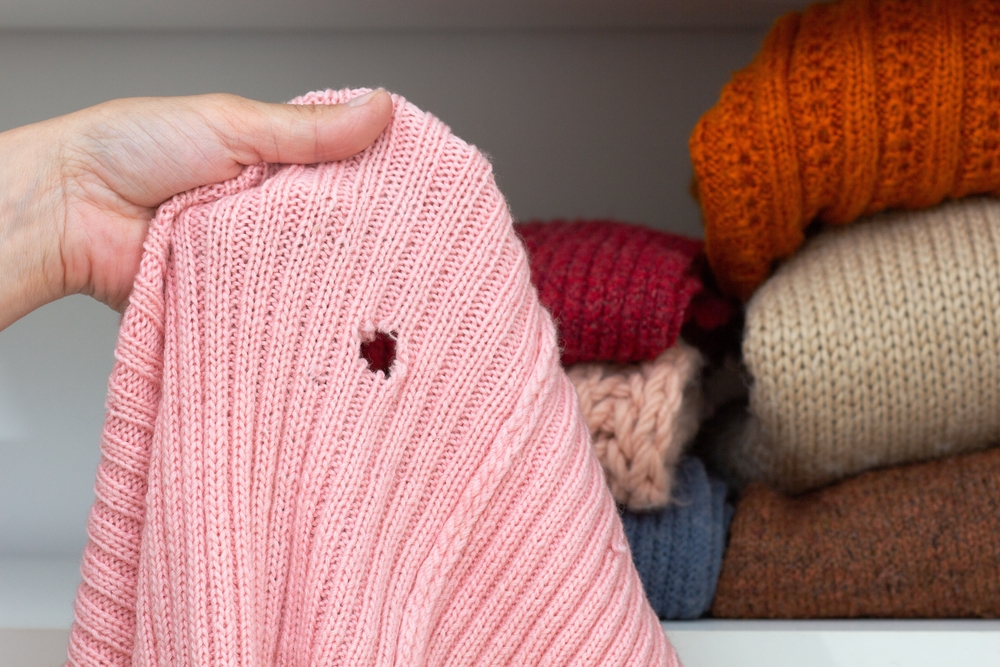
Why Is My Washing Machine Putting Holes in My Clothes
Damaging clothing during washing is one of the top cleaning mistakes made across households in the UK. Nothing is worse than a much-loved garment entering the machine in one piece to be left unwearable after the spins have completed!
One of the most common issues people deal with is the sudden appearance of holes in clothing after being machine-washed. There is certainly no chance of little critters being in the machine, but why does my washing machine tear clothes in the first place?
Whether you are a beginner learning to do laundry or a washing expert, the chance of tears and rips appearing can be the same for everyone if the right care is not applied to the load.
Keep reading to learn the main causes and how to say goodbye to unwanted holes in clothes forever!
Quick Answer: The machine is rarely to blame. Holes in clothes after washing are most commonly caused by overloading the drum, zips or hooks snagging on fabric, spin speeds too high for the material, or bleach weakening fibres over time. Getting these basics right will protect your clothes from damage.
What Are the Reasons for Holes Appearing in Clothes After Being in a Washing Machine?
With the average UK adult doing up to four loads of laundry per week, now is the time to start washing smartly, as the cost of damaged clothing soon starts to mount up if you are not careful.
If your washer is putting holes in clothes, it is unlikely the machine itself is the cause. The following common issues are usually responsible:
- Overloading the washing machine
We know it can be tempting to cram items in the drum to make fewer washes needed, but this doesn’t end well for most items. Forcing too many items into the washing machine will cause things to become tangled and rub against each other. This can cause garment items such as zips or buttons to snag on other pieces of clothing, causing clothes and marks. As well as not overloading the machine, you should always turn items inside out when washing to prevent any damage from occurring.
- Snagging on other items
The first point leads us to the second reason: snagging. However, this isn’t just caused when the machine is full but also when items have not been sorted properly.
Any items with rough edges, such as embellished or detailed garments, can damage other items. Therefore, you should turn inside out or use delicate bags when washing. You should also always remove any items, such as belts, that don’t need to be washed to eliminate the chance of catching onto other items.
- Fast spins
Another common at-home washing mistake is using the same machine settings for all items. We get it; when you are on autopilot trying to clean the basket of items, it’s not always common practice to think about your settings. This can cost you in the form of damaged clothing, though, as fast final spins that are too much for the fabrics can lead to ripping or stretching that causes weak points in the fabric.
The best way to prevent this is to sort laundry loads according to fabric type (as well as the usual colour separations) and select a suitable final spin. For example, cotton items should be spun no higher than 600 revolutions per minute, whereas tougher items like jeans can withstand up to 900 revolutions.
- Already damaged items
Did you know that every year, around 92 million pieces of clothing end up in landfills? While some of these items will just have been things that have been carelessly thrown away, some of the percentage also relates to damaged items that cannot be worn anymore. One of the reasons is damage caused by washing items already showing signs of damage.
This category also includes the dreaded bra wire damage which can wreak havoc on not just clothing but also the washing machine itself! Always check that wires are securely stitched into bras and if not, wash by hand.
By putting items in the washing machine that have even the smallest of holes, a much larger issue will likely greet you upon completion of the cycle. The best way to prevent this is to check all items before they get washed and separate ones that need fixing.
- Chlorine bleach and other unsuitable solutions
Another reason holes suddenly appear in clothing after washing is if the chlorine levels are too high in washing products. If not mixed with enough water or assessed for suitability for the fabric being treated, chlorine can break down the fibres, resulting in unwanted breaks and tears.
If you have a tough stain that is being treated, always ensure the product you selected is fit for purpose. Also, do as much pre-treating as possible so that the solution is not just left to sit on clothing for an extended period.
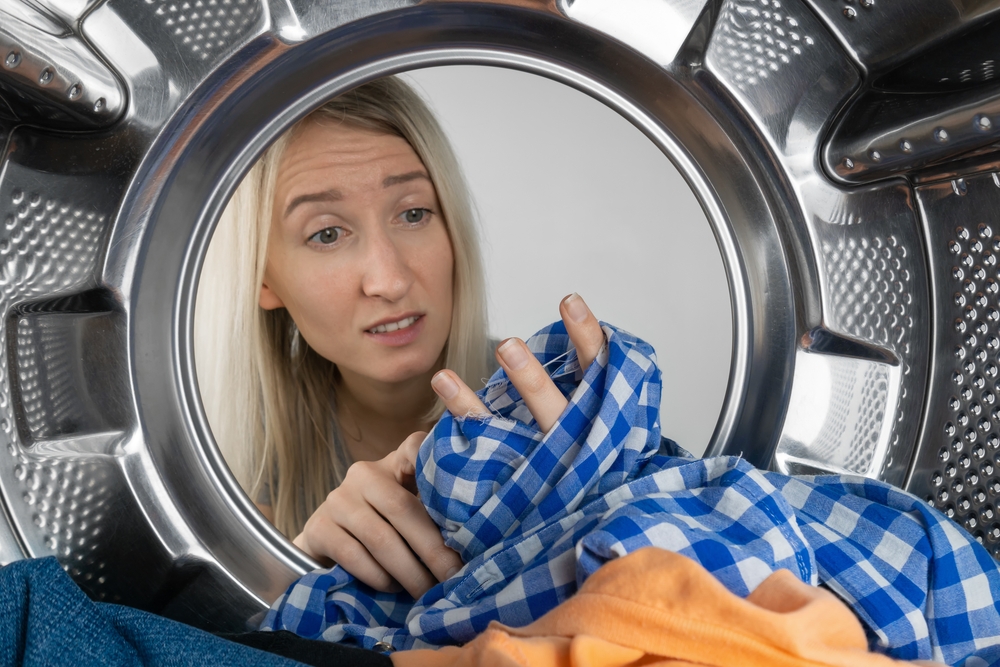
What Are Some Other Reasons for Holes in Clothing?
As we mentioned, you may have had a hole in your clothing before it even entered the washing machine, so it’s also important to be mindful of the following common causes of damage:
- Moths or other pests if items are not stored in a cool and dry place
- Overwashing of items, especially less durable fabrics
- Washing items that are dry-clean only
- Damage to the wardrobe which can cause snagging
Can You Prevent Damage to Clothes When Using a Washing Machine?
Not all damage can be eliminated, but by using the tips we have included above, you can reduce the chance of holes appearing.
If you are wondering how to stop the washing machine from ripping clothes, our top tips are to sort items correctly, use specific washing machine settings, wash things inside out, and always check for damage before a wash occurs. Over time, fabrics will start to deteriorate, so holes may be inevitable at some point, but not before their time.
The best way to prevent holes in clothing during washing is to select a professional laundry service!
How Does love2laundry Resolve the Issue of Damaged Clothing?
An online laundry service is an efficient solution to getting your washing completed. The Love2Laundry app requires you to book your washing, choose a collection slot, decide when you want the items returned, and we will do the rest. This is the easiest way to ensure holes do not appear, as you don’t need to pre-sort items before they come to us!
Some of the benefits of online laundry services for eliminating holes in clothing are as follows:
Professional Sorting
A laundry collection service takes away washing in bags ready to be cleaned. The teams will then professionally sort items depending on the material, colour, and damage to ensure a thorough clean. This process ensures that items with additional accessories cannot wreak havoc on other garments.
Industrial Machines
We also use large machines that have much more capacity than domestic models. This means no chance of items being crammed in and allows multiple washes to occur at one time. With no need to rush loads or put items together that cause damage, there will be no holes in clothing when the laundry is complete.
Sustainable Washing Solutions
As we mentioned, using a detergent or treating product that is too strong can lead to the corrosion or weakening of the fabric. We use professional solutions specially designed for leaving items in perfect condition. Should you have an embedded stain, we would always recommend sending items for a dry clean instead of strong bleach, as this allows targeted treatment safely.
Choose Love2Laundry
Do you want to know what app picks up laundry? Love2Laundry!
Our professional approach to washing and clothing treatment means that damaged items post-washing are a thing of the past. The way that you use our laundry app is simple. All you need to do is book and confirm collection/delivery; our team will do the rest.
As an affordable laundry service in London and some other major cities, we offer you peace of mind that your clothing will last longer and not be subject to any damage, letting you enjoy your garments for longer. To find out more about our service, contact our team.
FAQs
Can overloading a washing machine cause holes in clothes?
Yes. Overloading forces items to tangle and rub against each other. Zips and buttons snag on other garments, causing tears. Always leave enough space in the drum and turn items inside out to reduce friction and prevent damage.
Does using a high spin speed damage clothes in the washing machine?
Yes. Spin speeds too high for the fabric can cause ripping and stretching. Cotton should not exceed 600 RPM, while tougher fabrics like denim can handle up to 900 RPM. Always match spin speed to fabric type.
Can bleach cause holes in clothes after washing?
Yes. Chlorine bleach breaks down fabric fibres when not diluted properly or used on unsuitable materials. This weakens the fabric and causes tears. Always check product suitability before use and pre-treat stains rather than leaving bleach sitting on the fabric.
Should I check clothes for damage before putting them in the washing machine?
Yes. Washing already damaged items worsens existing holes and weak points. Even small tears can become much larger after a cycle. Always inspect garments before washing and set aside anything that needs repairing first.

