


What Happens if You Wash Instead of Dry Clean?
Have you ever wondered what the difference is between washing your clothes yourself or getting them dry cleaned? What is this wizardry they perform that is so different from what you can do yourself with your washing machine and detergent? Well, the answer is, there’s a big difference. Dry cleaning keeps your clothes fresher and looking new for longer, which is why many people turn to professional dry cleaning rather than doing it themselves.
In this post, we’ll explain the difference between washing your clothes and dry cleaning them and which one is the better option.
Quick Answer: If you wash a garment that is labelled dry clean only, it may shrink, lose its shape, or bleed colour onto other fabrics. The inner structure of the garment, known as interlining, can also get damaged, leaving the fabric looking puckered or uneven. These problems do not always happen, but the risk is high enough that it is worth following the care label. The safest way to protect delicate or structured clothing is to have it professionally dry cleaned.
What is dry cleaning?
Dry cleaning is a bit of a misnomer, as the items being dry cleaned do actually get wet, but it’s meant to refer to cleaning clothes without the use of water. Dry cleaning instead uses liquid solvents, like perchloroethylene, to dissolve the dirt on clothing and evaporate before it sets into the fabric, rather than soaking it in water and chemicals like a washing machine.
That’s why we tend to think of only taking expensive or delicate clothing items to the dry cleaners, as the process is more delicate with the material; however, almost all clothing can benefit from being dry cleaned. Dry cleaning is quite often carried out by professionals and produces outstanding, clean laundry results that are long-lasting and gentle on your garments.
What does washing your clothes consist of?
Your home washing machine agitates the garments along with water and detergent at very high spinning speeds in order to get rid of dirt. This is quite effective in removing dirt from everyday fabrics, but it takes its toll on the construction of clothing materials. Water is responsible for swelling and relaxing fibres, thus distorting the shape of custom-fit and delicate clothing. The action of the detergent only serves to weaken the finishing of the garment.
This is why the dry clean only label exists. Structured pieces like suits, silk blouses and wool coats are cut and stitched with the assumption that they will never be soaked in water. If you have ever washed dry-clean-only by accident, you may have noticed the fabric pulling, the lining separating, or the garment coming out a size smaller. People who are wondering if they can wash dry-clean-only clothes at home should know that the machine itself is not the only risk. It is the water and the agitation together that cause the most damage to fabric integrity.
What Can Go Wrong After Washing Dry-Clean-Only Clothes?
There is no universal answer to the risks, as it depends on the material used and construction of the garment.
Wool and cashmere shrink when coming into contact with water and heat. If you have shrunk dry-clean-only clothing before, it was likely a wool-based piece, as the fibres lock together tightly once agitated in warm water and cannot easily be reversed. Silk becomes less glossy and rougher when put through a machine. Structured items like suits, coats or tailored pants could lose their shape, as they have interlining which provides them with the structure that is not built for soaking.
Colour bleeding could be another issue, as the dyes in darker or patterned materials are not set up for water. Additionally, embellished items are also susceptible to being damaged by machine washing, as the threads holding beads or decorations could weaken or come off.
When comparing dry clean vs machine wash, the key difference comes down to construction. Everyday garments are sewn and finished to survive water and agitation. Dry clean only items simply are not, and the care label exists to reflect that.
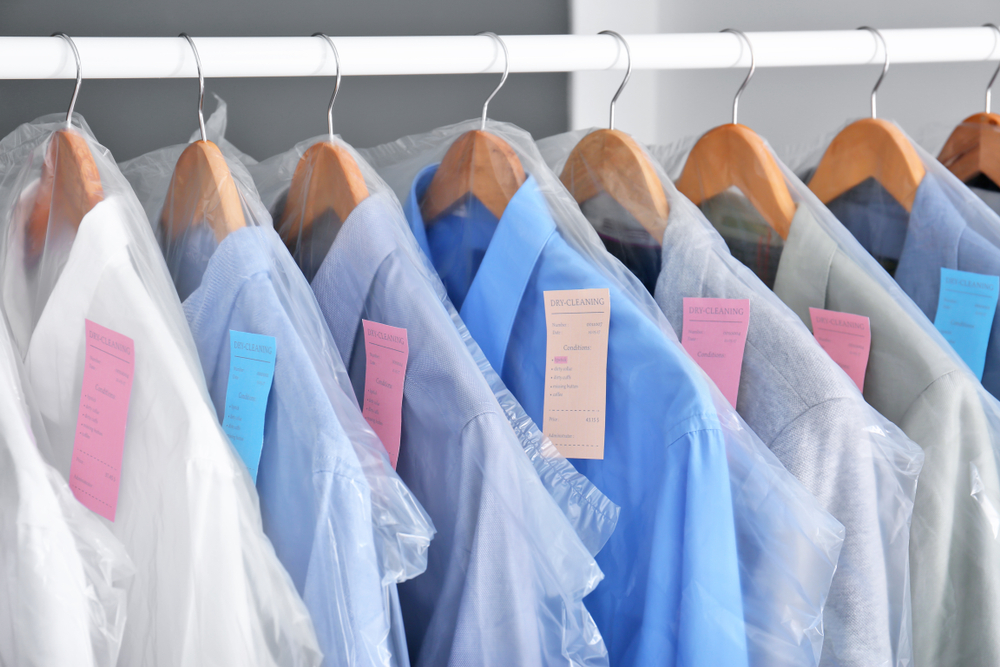
A gentle laundry solution
Washing clothes in water and washing detergent loosens the fabric and causes faster wear and tear and holes may even appear. The chemicals used in dry cleaning remove the dirt and microbes from the material without affecting its structure. So, dry cleaning can effectively remove tough stains like oil, wine and chemicals from the fabric, rather than pushing the offending microbes around in soapy water like a washing machine.
By cleaning your clothes gently, dry cleaning is not just great at handling delicate materials, but it also helps keep your clothes looking fresher, for longer.
That may seem counterintuitive as we’ve all largely been led to believe that frequent washing of clothes, especially denim, will soften the fabric so much that it will wear away. While this may be true of regular washing in a washing machine or hot water, dry cleaning removes the dirt from your clothes that would otherwise damage the clothing fibres, which helps give your wardrobe more life.
Already Washed It? Here Is What to Do Next
If you realise after the fact that you laundered something marked dry clean only, do not worry as you can act quickly to mitigate any more harm done.
The first thing to do is to halt any application of heat. Do not put it into the tumble dryer, as the heat will not fix it but will permanently set any changes made due to the shrinkage or distortion that was caused. It would be better to lay it flat on a dry towel and allow it to air dry in the open at room temperature.
While the piece is drying, avoid stretching the material to attempt to return it to its previous shape since wet fibres are fragile. In case it appears misshapen, gently reshape it using your hands and then let it air dry in this shape.
When the piece is dry, examine it carefully to see if there is some damage to its structure and fabric. Take it to a professional in garment care if unsure about its condition. Knowing what to do after washing a dry-clean-only item matters because a professional may be able to re-block, re-press or partially restore the garment if you bring it in before any further wear or washing.
Benefits of dry cleaning
Dry cleaning offers more than just convenience. It has practical benefits for your clothes, from handling tough stains to protecting the structure of delicate and large items.
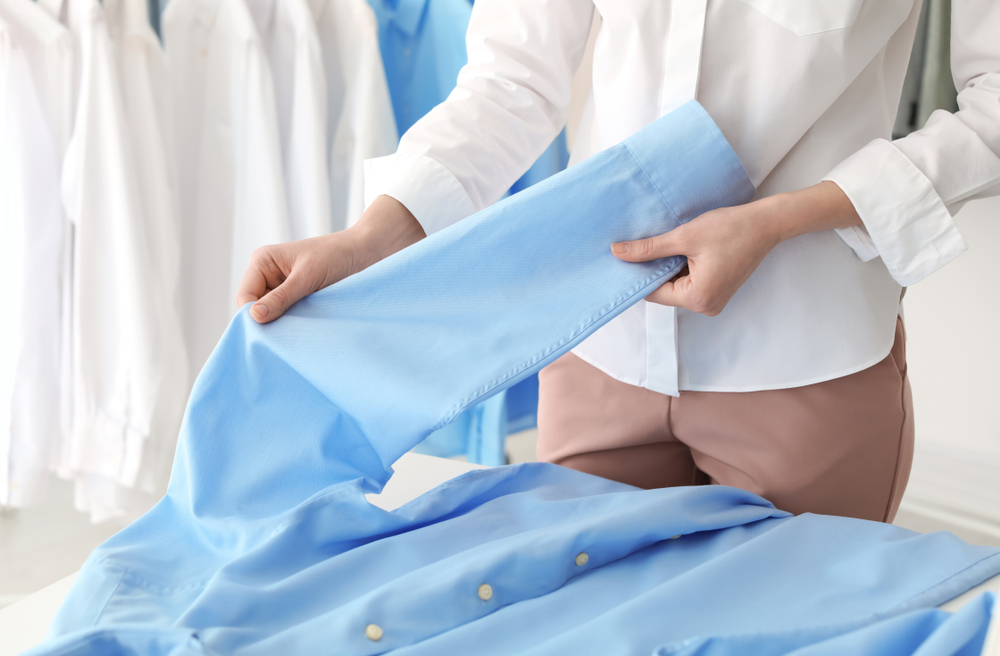
A gentle laundry solution
Washing clothes in water and detergent puts repeated stress on fabric, which causes faster wear and tear over time. Dry cleaning uses solvent rather than water, which means fibres are not soaked, swollen or agitated in the same way. This allows it to effectively remove tough stains like oil, wine and grease from fabric without the mechanical strain that a washing machine applies.
By cleaning your clothes gently, dry cleaning is not just great at handling delicate materials, but it also helps keep your clothes looking fresher for longer.
That may seem counterintuitive, as we’ve all largely been led to believe that frequent washing of clothes, especially denim, will soften the fabric so much that it will wear away. While this may be true of regular washing in a washing machine or hot water, dry cleaning removes the dirt from your clothes that would otherwise damage the clothing fibres, which helps give your wardrobe more life.
Alternatives to dry cleaning
Before considering other options, you need to have knowledge about the type of care label that your clothes have. If your clothing has a “dry clean only” label, then it means that the item cannot be cleaned using water in any way because it is too delicate for that. “Dry clean” means that dry cleaning is preferred, although careful hand washing could be an option in some cases.
If hand washing is allowed by the care label, use cold water and mild detergent without wringing or scrubbing the fabric, and lay it flat to air dry. Hand washing is only possible when the label indicates a symbol of a washing tub with a hand in it.
As a substitute for dry cleaning, you also have the option of using an at-home dry cleaning kit, though these work better for light refreshing than for deep cleaning or stain removal.
If you are doing your regular clothes laundry at home by the traditional method, always make sure that you put your delicate clothes in the mesh bags. Make it a point to read the label and remove any stains from the fabric before putting it into the washing machine, since the stains will set inside the fabric during the wash cycle.
Things to know about dry cleaning
Now you know the difference between washing and dry cleaning; here are some additional questions you may have about using a professional service.
How long can clothes stay in the cleaners?
We all remember a situation when we planned to pick something up and something else came up, which means you’re late. If you’re doing your own laundry at home and this happens, it might sit wet in the washing machine overnight or even for several days, which means it would need rewashing.
If you choose to use a professional dry cleaning service, they can keep your clothes for you until you’re ready to pick them up, adding to the convenience of the service.
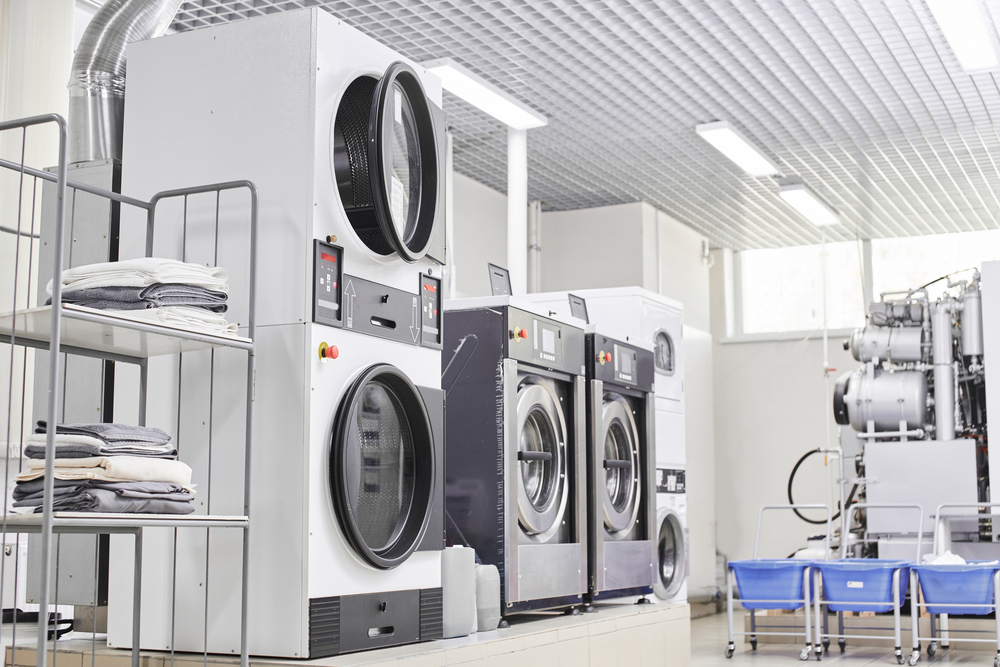
Do dry cleaned clothes last longer?
Yes, dry cleaning can actually make your clothes last longer! The solvent used in dry cleaning is lighter than water, so the fabric is treated in a more delicate way. Water can cause some fabrics (such as wool) to shrink, lose their colours, or become frayed.
Additionally, when a garment is machine washed, it will twist and spin around in the washing machine, which can disrupt and damage the fibres in the fabric. This can result in the garment stretching or having bobbles on it, so the garment does not last as long. In contrast, the garment would not twist and spin when you have it dry cleaned, as this is a much gentler cleaning method.
Even when we hand wash garments, we often wring and scrub them to make sure the washing powder is penetrating enough to remove dirt and stains. However, with dry cleaning, harsh movements such as wringing and scrubbing do not occur.
What’s more, in your household washing machine, the grime from your dirty clothes and the residue left behind from laundry detergent can cause mould and mildew to build up in the washing machine. This means that your clothes will not be thoroughly cleaned after a machine wash, which often results in harsher scrubbing to get rid of those germs. Again, repeated washing can cause wear and tear to the fibres in garments.
Can dry cleaning remove tough stains?
Harsh stains such as armpit stains can be difficult to get rid of yourself without ruining your garment. Yes, you will be pleased to know that professional dry cleaning can remove armpit stains, in most cases.
Even though the garment isn’t being washed with water, the chemical solvent used in the dry cleaning process will expertly lift any stubborn armpit stains and eliminate foul smells.
The dry cleaning agent will break down the oils and residues that are causing the armpit stains to form in the first place.
Love2Laundry
Understanding what happens if you wash instead of dry clean can save your clothes from shrinkage, distortion and damage that is difficult to reverse. For garments marked dry clean only, the safest choice is always a professional service.
We are a dry cleaning service based in London, covering selected locations across the UK. We make the process as easy as possible through our laundry app for dry cleaning, where you can book a collection slot and have your clothes picked up and dropped back off at a time that suits you.
Is it better to wash or dry clean? For most structured, delicate or labelled garments, dry cleaning is the more careful option. It puts less stress on the fabric and helps your clothes hold their shape and quality for longer.
FAQs
Can washing dry-clean-only clothes ruin them?
Yes. Washing dry-clean-only clothes can cause shrinkage, colour bleeding, lining separation and loss of shape. The risk depends on the fabric and construction, but most structured or delicate garments will show some level of damage after a machine wash.
Can dry-clean-only clothes shrink when washed in water?
Yes. Dry-clean-only clothes can shrink in water, especially wool and cashmere, as the fibres lock together when exposed to heat and agitation. The shrinkage is often permanent and cannot be fully reversed once the garment has dried.
Should I tumble dry a suit after accidentally machine washing it?
No. If you have accidentally machine washed a suit, do not tumble dry it. Remove it immediately, lay it flat to air dry, and avoid stretching the fabric. Once dry, take it to a professional garment care specialist for assessment.
Is a “dry clean” label different from a “dry clean only” label?
Yes. A garment labelled “dry clean” means it is the recommended method, but cautious hand-washing may be possible. A “dry clean only” label means water should be avoided entirely, as the fabric or construction cannot safely handle it.

